Introduction:
In our ever-evolving world, technology plays a transformative role in shaping food consumption trends across the globe. This article acts as a bridge, exploring how technology impacts food consumption trends in both Western rich countries (Europa, UK, USA) and economically diverse regions (Africa and India). By examining the influence of technology, we can understand the commonalities and unique dynamics that drive future consumer behaviors in these regions.
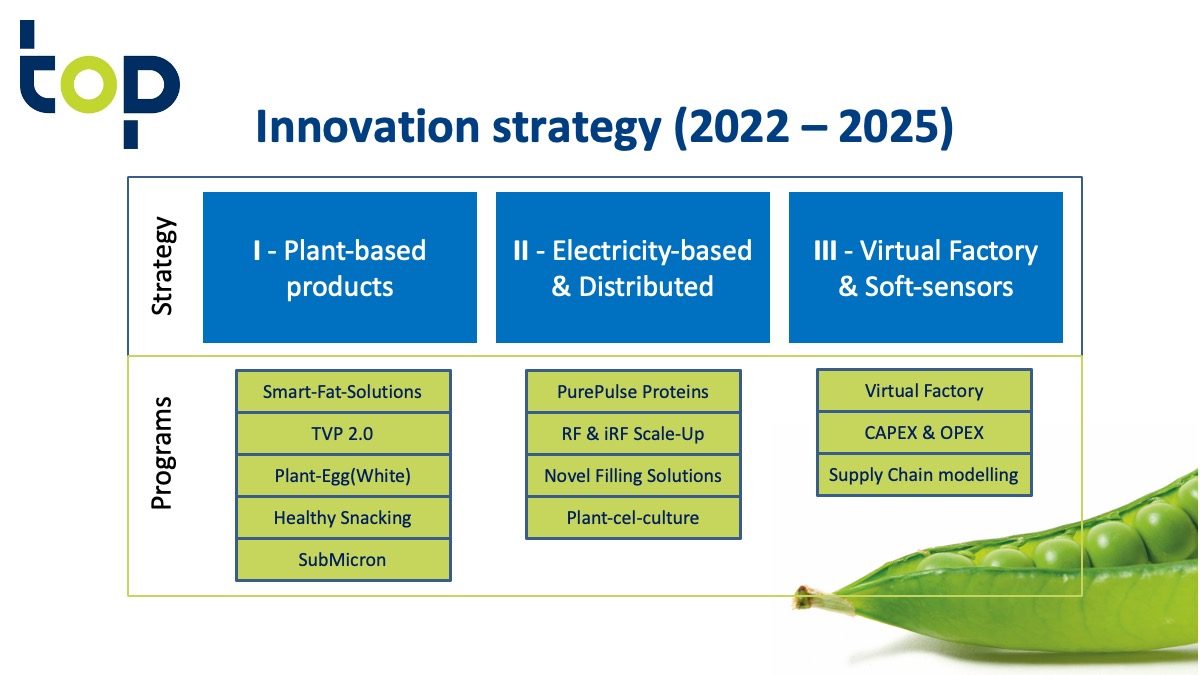
With a clear vision and a comprehensive strategy, TOP b.v. (Wageningen) is dedicated to transforming the way we produce and consume food, ensuring a brighter and more sustainable future for generations to come.
Europa, UK, and USA:
- E-Commerce and Delivery Services: Technological advancements have revolutionized the way consumers in Europa, the UK, and the USA purchase food. E-commerce platforms and delivery services provide convenience, allowing consumers to order groceries online and have them delivered directly to their doorsteps. This trend enables time-pressed individuals to access a wide variety of products, including specialty and international ingredients.
- Smart Kitchen Appliances: The integration of technology into kitchen appliances, such as smart ovens, refrigerators, and cooking assistants, enhances cooking experiences in Western countries. These appliances offer features like automated cooking settings, recipe suggestions, and food inventory management, simplifying meal preparation and reducing food waste.
- Mobile Applications and Recipe Platforms: Smartphone applications and recipe platforms have gained popularity, providing easy access to a vast collection of recipes, cooking tips, and nutritional information. These platforms offer personalized recommendations, dietary modifications, and interactive cooking tutorials, empowering consumers to explore new flavors and experiment with diverse recipes.
- Food Tracking and Personalized Nutrition: Technology-driven food tracking applications and wearable devices allow individuals to monitor their nutritional intake, track calories, and assess dietary patterns. This data enables personalized nutrition recommendations, promoting healthier food choices and aiding in the management of dietary restrictions or health conditions.
Africa and India:
- Mobile Technology for Market Access: In Africa and India, mobile technology plays a significant role in connecting farmers and small-scale food producers with consumers. Mobile applications provide platforms for farmers to sell their produce directly to consumers, eliminating intermediaries and ensuring fair prices. This enables consumers to access fresh, local, and sustainably produced food while supporting local economies.
- Agricultural Technology and Precision Farming: Technology interventions in agriculture, such as precision farming techniques, hydroponics, and vertical farming, hold great promise in addressing food security challenges in Africa and India. These technologies maximize yield, conserve water resources, and optimize land usage, resulting in increased production of nutritious food in resource-limited areas.
- Mobile Payment Systems: Mobile payment systems facilitate financial transactions in regions where traditional banking infrastructure is limited. These systems enable farmers, vendors, and consumers to conduct secure transactions, fostering a more efficient and inclusive food supply chain.
- Digital Marketplaces and Food Delivery Apps: Digital marketplaces and food delivery apps are gaining popularity in Africa and India, connecting consumers with a variety of food options. These platforms enable easy access to diverse cuisines, catering to the evolving tastes and preferences of consumers while also providing economic opportunities for small food businesses.
Conclusion:
Technology is a driving force in shaping food consumption trends in both Western rich countries and economically diverse regions. E-commerce, smart kitchen appliances, mobile applications, and personalized nutrition tools are transforming the food landscape in Europa, the UK, and the USA. In Africa and India, technology interventions such as mobile connectivity, agricultural technology, and digital marketplaces are revolutionizing the food ecosystem, addressing challenges of access, sustainability, and economic empowerment. By embracing technological advancements, we can bridge the gap between regions, fostering innovation, sustainability, and inclusive food systems that meet the evolving needs and preferences of consumers worldwide.
 Food4Innovations (EN) - Wouter de Heij M.Sc.
One thought on “PART 2 – Technology’s Impact on Food Consumption Trends: Bridging the Gap between Europa, UK, USA, Africa, and India. How Technology Platforms will drive future Consumer Behaviors. An additional explanation of TOP’s Vision and Strategy (2022-2025).”