A clear vision based on long term consumer trends
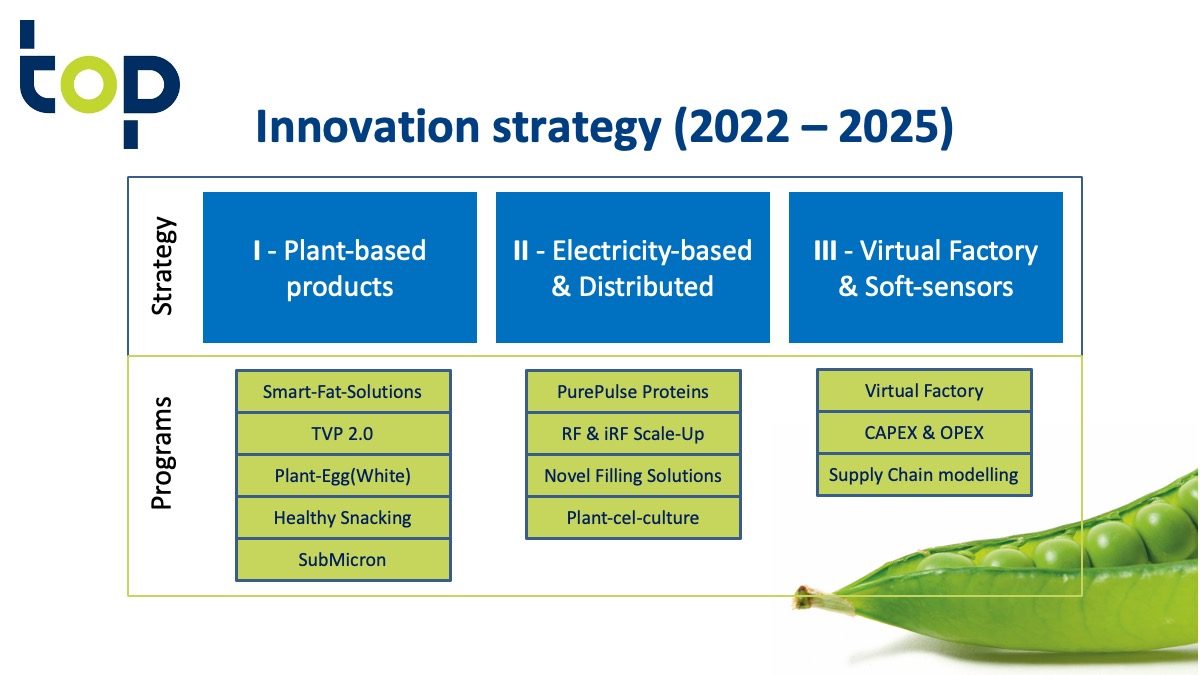
In today’s rapidly evolving world, the food industry is faced with numerous challenges, ranging from environmental concerns to changing consumer preferences. To address these issues head-on, TOP b.v. (Wageningen) is at the forefront of innovation and research and development (R&D) in food and food technology. With a clear vision and strategic approach, our company is committed to revolutionizing the industry through two key pillars: promoting plant-based ingredients and foods, and embracing the electrification of food factories.
As we look ahead to the future, it is crucial to explore the anticipated trends in food and drink consumption in Africa and India, focusing on health, the location of food purchases, localization of ingredients and foods, cooking practices, and flavor and recipe preferences. As part of our clear company vision and strategy we also did write an article titled “The Future of Food and Drink Consumption: Trends in Europa, UK, and USA”. This article aims to shed light on the evolving landscape of food and drink consumption in these regions.
Trends in Health:
- Nutritional Awareness: Health consciousness is on the rise in Africa and India, with consumers seeking nutritious food options. This includes a shift toward balanced diets, emphasizing the consumption of fruits, vegetables, whole grains, and lean proteins to combat malnutrition and promote overall well-being.
- Traditional and Indigenous Foods: There is a renewed interest in traditional and indigenous foods, as they often possess unique nutritional qualities and are deeply rooted in local cultures. These foods are being rediscovered and incorporated into modern diets for their health benefits and as a means of preserving cultural heritage.
Trends in the Location of Buying Food:
- Traditional Markets: Local markets and street vendors remain an essential part of food purchasing in Africa and India. These markets offer fresh produce, spices, and other ingredients, and provide a vital source of income for local farmers and artisans.
- Informal Food Sector: In addition to traditional markets, the informal food sector, including small-scale food vendors and food carts, plays a significant role in food consumption patterns. These accessible and affordable options cater to the needs of low-income populations and offer a diverse range of street foods.
- Rise of Modern Retail: With urbanization and changing lifestyles, modern retail formats such as supermarkets and convenience stores are gaining prominence. These outlets offer a wider range of products, including packaged foods and beverages, catering to the evolving needs of urban consumers.
Localization of Ingredients and Foods:
- Local Sourcing: In Africa and India, there is a strong connection to locally sourced ingredients. Consumers value the freshness, authenticity, and support of local economies. Efforts are being made to promote and preserve traditional farming practices, enabling small-scale farmers to thrive.
- Food Security and Sustainability: The challenges of food security and sustainable agriculture drive the need for local food production and reducing dependence on imports. Policies and initiatives are being implemented to strengthen local food systems and promote sustainable farming practices.
Cooking Practices:
- Home Cooking: Cooking at home remains central to food culture in Africa and India, with an emphasis on traditional cooking methods and recipes passed down through generations. Home-cooked meals are valued for their taste, nutritional value, and role in fostering family bonds.
- Shifting Dynamics: Rapid urbanization and changing lifestyles are influencing cooking practices, leading to an increased reliance on convenience foods and ready-to-eat meals. However, efforts are being made to strike a balance between convenience and preserving traditional cooking practices.
Trends in Flavor and Recipe:
- Regional and Ethnic Diversity: Africa and India are known for their rich culinary traditions, and there is a growing appreciation for regional and ethnic diversity in flavors and recipes. Consumers are increasingly exploring dishes beyond their local cuisines, promoting cultural exchange and culinary innovation.
- Adaptation and Fusion: The future of food consumption in Africa and India involves the adaptation and fusion of traditional and global flavors. Modern twists on traditional recipes and the incorporation of global ingredients add excitement and variety to local cuisines.
Conclusion Future of Food and Drinks (Africa and India):
The future of food and drink consumption in Africa and India is shaped by a blend of tradition, regional diversity, and evolving preferences. Consumers are becoming more health-conscious, valuing local ingredients, and preserving cultural heritage through their food choices. While the influence of modernization is evident, efforts are being made to strike a balance between convenience and traditional cooking practices. These trends reflect a vibrant and evolving culinary landscape, with a focus on embracing local flavors, improving nutrition, and sustaining local food systems.
 Food4Innovations (EN) - Wouter de Heij M.Sc.
2 thoughts on “PART 4 – The Future of Food and Drink Consumption: Trends in Africa and India. An additional explanation of TOP’s Vision and Strategy (2022-2025).”