A clear vision based on long term consumer trends
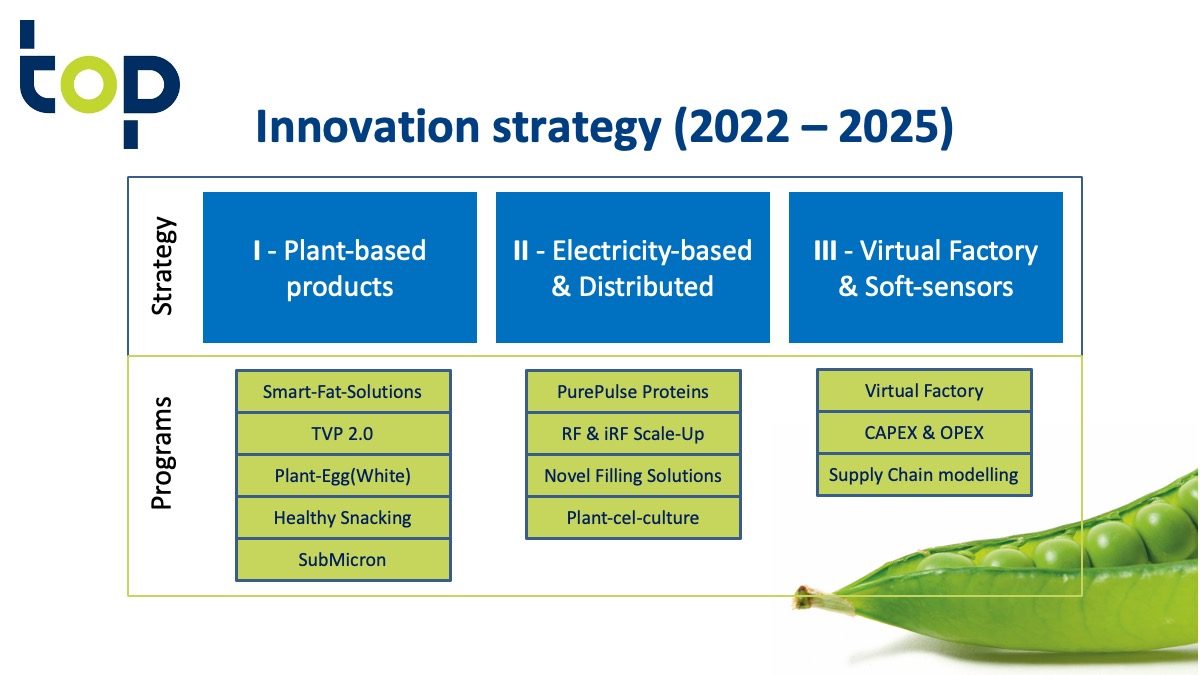
In today’s rapidly evolving world, the food industry is faced with numerous challenges, ranging from environmental concerns to changing consumer preferences. To address these issues head-on, TOP b.v. (Wageningen) is at the forefront of innovation and research and development (R&D) in food and food technology. With a clear vision and strategic approach, our company is committed to revolutionizing the industry through two key pillars: promoting plant-based ingredients and foods, and embracing the electrification of food factories.
The way we consume food and drinks is constantly evolving, driven by changing preferences, health concerns, and advancements in technology. As part of our company vision and strategy we also wrote an article titled “The Future of Food and Drink Consumption: Trends in Africa and India”. This article explores the future of food and drink consumption in Europa, the UK, and the USA, focusing on trends in health, location of buying food, localization of ingredients and foods, cooking practices, and flavor and recipe preferences.
Trends in Health:
- Low Carb, High Protein, and Sufficient Fibers: Health-conscious consumers in Western countries are increasingly adopting low-carb and high-protein diets for weight management and overall well-being. These dietary choices promote the consumption of lean meats, seafood, and plant-based proteins. Additionally, there is growing awareness about the importance of sufficient dietary fiber for digestive health, leading to an increased demand for fiber-rich foods and beverages.
- Plant-Based Diets: A significant shift toward plant-based diets is observed, driven by concerns about sustainability, animal welfare, and personal health. More people are embracing vegetarian, vegan, and flexitarian lifestyles, resulting in a surge in plant-based alternatives for meat, dairy, and other animal-derived products.
Trends in the Location of Buying Food:
- Retail: Traditional grocery retail continues to dominate food purchasing in Western countries, but the rise of e-commerce has revolutionized the way people shop for groceries. Online platforms and delivery services have gained popularity, providing convenience and a wider range of options to consumers.
- Out of Home and Restaurants: The foodservice industry plays a vital role in the consumption patterns of Western countries. Increasingly busy lifestyles and the desire for unique culinary experiences have led to a rise in eating out, ordering takeout, and food delivery services.
- Small Markets and Local Initiatives: While larger retail chains prevail, there is also a growing interest in supporting local farmers, producers, and small markets. Consumers are valuing transparency, traceability, and a connection to the source of their food, leading to the popularity of farmers’ markets and community-supported agriculture initiatives.
Localization of Ingredients and Foods:
- Global vs. Local: The future of food consumption in Western countries presents a balance between global and local ingredients. While international flavors and ingredients continue to be embraced, there is a growing emphasis on supporting local food systems, reducing carbon footprints, and minimizing the reliance on long-distance transportation.
- Geopolitics and Sustainability: Concerns about food security and environmental sustainability are influencing consumer choices. Issues such as climate change, deforestation, and water scarcity are driving efforts to source ingredients from sustainable and environmentally friendly producers.
Cooking Practices:
- The act of cooking at home remains relevant, but evolving lifestyles and increasing time constraints have led to changes in cooking practices. Convenience-oriented solutions such as meal kits, pre-prepared ingredients, and smart kitchen appliances are gaining popularity, simplifying the cooking process and encouraging home cooking.
Trends in Flavor and Recipe:
- Fusion and Ethnic Flavors: Western consumers are becoming more adventurous in their culinary preferences, seeking diverse flavors and multicultural experiences. Fusion cuisine and ethnic flavors are gaining popularity, reflecting the multicultural nature of these regions.
- Customization and Personalization: The future of food and drink consumption involves customization to meet individual tastes and dietary needs. Technology-driven advancements enable consumers to personalize recipes, adjust flavors, and customize food and drink products to their liking.
Conclusion Future of Food and Drinks (Europa, UK, USA):
The future of food and drink consumption in Europa, the UK, and the USA is marked by a shift towards healthier, more sustainable, and personalized choices. Consumers are increasingly mindful of their dietary habits, prioritize local and sustainable ingredients, explore new flavors, and embrace technology to enhance their cooking experiences. These trends reflect a dynamic and evolving landscape that adapts to changing preferences and societal values.
 Food4Innovations (EN) - Wouter de Heij M.Sc.
2 thoughts on “PART 3 – The Future of Food and Drink Consumption: Trends in Europa, UK, and USA. An additional explanation of TOP’s Vision and Strategy (2022-2025).”