Introduction, Food Technology Shaping Future Consumer Trends.
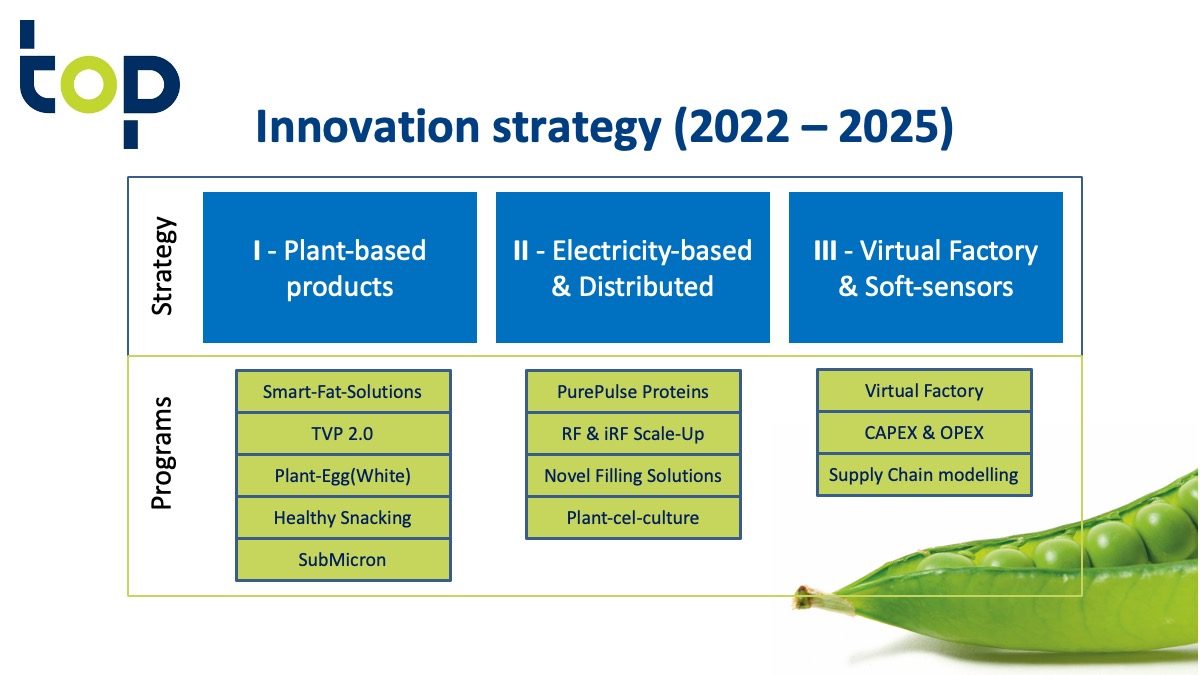
TOP b.v. (Wageningen) stands at the forefront of innovation and R&D in the food and food technology sector. By focusing on plant-based ingredients and foods, as well as the electrification of food factories, we envision a future that is sustainable, ethical, and environmentally conscious. Our commitment to developing cutting-edge technologies, fostering strategic partnerships, and advocating for widespread adoption drives us towards achieving this vision.
Through our efforts, we strive to redefine the food industry, empowering consumers to make conscious choices that benefit both their health and the planet. Food technology and sustainability in a broader context play crucial roles in shaping consumer trends in the future of food and drink consumption. These two factors are driving innovation, addressing environmental concerns, and transforming the way people approach their food choices.
With a clear vision and a comprehensive strategy, TOP b.v. (Wageningen) is dedicated to transforming the way we produce and consume food, ensuring a brighter and more sustainable future for generations to come.
Food Technology:
Advancements in food technology are revolutionizing the production, processing, and preservation of food and beverages. This includes the development of plant-based alternatives, cellular agriculture, and precision farming techniques. These technologies provide consumers with a wider range of options, catering to various dietary preferences and restrictions.
Plant-based alternatives, created using innovative techniques, offer realistic meat, dairy, and seafood substitutes, satisfying the growing demand for sustainable and ethical choices. Cellular agriculture allows for the cultivation of meat and dairy products in labs, reducing the environmental impact associated with traditional livestock farming. Precision farming techniques, such as vertical farming and hydroponics, enable the cultivation of fresh produce in urban areas, reducing the reliance on long-distance transportation.
Sustainability:
Sustainability is a driving force behind consumer trends in food and drink consumption. As concerns over climate change, deforestation, and resource depletion grow, consumers are seeking environmentally friendly options and supporting businesses that prioritize sustainability.
Local Sourcing and Reduced Food Waste:
Consumers are increasingly favoring locally sourced ingredients and products, reducing the carbon footprint associated with long-distance transportation. By supporting local farmers and producers, consumers not only contribute to their local economies but also promote sustainable farming practices and reduce the environmental impact of food production.
Additionally, efforts to reduce food waste are gaining momentum. Consumers are more conscious of their consumption patterns and actively seek ways to minimize waste. Technology-based solutions, such as apps that connect consumers with surplus food from restaurants or grocery stores, help prevent food from going to waste while providing affordable options.
Packaging Innovations and Recycling:
Sustainable packaging solutions are gaining traction, addressing the issue of plastic waste. Biodegradable materials, compostable packaging, and innovations in recyclable materials are being explored to reduce the environmental impact of food packaging. Consumers are actively supporting brands that prioritize sustainable packaging practices, such as minimal packaging, recyclable materials, and eco-friendly alternatives.
Educating and Empowering Consumers:
A key aspect of driving sustainability in food consumption is educating and empowering consumers. Initiatives promoting awareness about the environmental impact of food choices, sustainable farming practices, and responsible fishing are influencing consumer behavior. Consumers are becoming more mindful of their food choices and actively seeking information about the sustainability practices of food producers and suppliers.
Conclusion and Two Key Pillars of TOP b.v.:
Food technology and sustainability are pivotal forces shaping consumer trends in the future of food and drink consumption. Advances in food technology offer innovative alternatives, catering to diverse dietary preferences, while sustainability initiatives encourage the support of local sourcing, reduced food waste, and eco-friendly packaging. As consumers become more informed and conscious of the environmental impact of their choices, these trends are set to drive a significant transformation in the way we consume food and drinks, fostering a more sustainable and responsible approach.
In today’s rapidly evolving world, the food industry is faced with numerous challenges, ranging from environmental concerns to changing consumer preferences. To address these issues head-on, TOP b.v. (Wageningen) is at the forefront of innovation and research and development (R&D) in food and food technology. With a clear vision and strategic approach, our company is committed to revolutionizing the industry through two key pillars: promoting plant-based ingredients and foods, and embracing the electrification of food factories.
 Food4Innovations (EN) - Wouter de Heij M.Sc.
One thought on “PART 1 – The Synergy of Food Technology and Sustainability in Shaping Future Consumer Trends Placed in a Broader Perspective using TOP’s Vision and Strategy for the Future of Food. An additional explanation of TOP’s Vision and Strategy (2022-2025).”