"with effort and attention everything can growth sustainable" – Small stories from Wouter de Heij (CEO of top-bv.nl & blogging in Dutch via wouterdeheij.nl)
It is now possible to buy and consume cultured chicken in the United States. The United States Department of Agriculture (USDA) granted approval to two startups from California to sell their lab-grown chicken. The official term for cultured meat in the US is now ‘cell-cultivated’.
Last year, the Food and Drug Administration declared the cultivation process of Upside Foods and Good Meat as safe. Until now, Singapore was the only country in the world allowing the sale of cultured chicken. Good Meat’s cultured meat has been available on the menu of a restaurant there since 2020. In Europe no novel food approval is granted, hence cultured meat is not yet allowed in Europe.
“This is the moment when science fiction becomes reality” says Amy Chen, Chief Operating Officer of Upside, in an interview with Vox. “It’s a turning point for us to reconsider the future of food.”
The process of cultured meat involves growing muscle cells in a lab using a small sample taken from a live animal. These cells are then nurtured in a nutrient-rich environment, allowing them to multiply and form muscle tissue. The resulting cultured meat is essentially identical to conventional meat in terms of taste and texture, but it is produced without the need for raising and slaughtering animals.
Dutch involvement in the development of cultured meat is noteworthy. The concept of cultured meat is however far from new. As early as 1931, Winston Churchill predicted that one day humanity would grow meat in a factory instead of breeding and slaughtering animals. It wasn’t until 70 years later, in 2000, that the first cell-based fish and meat nuggets became a reality. The race to produce cultured meat truly took off when Dutch scientist Mark Post, building upon the patents of Dutchman Willem van Eelen, cooked the first lab-grown beef hamburger in 2013. That single burger cost an astonishing amount of money to create: € 250,000.
The idea of slaughter-free, ecologically responsible, and nutritionally complete “real” meat created in a lab inspired dozens of startups. However, despite nearly $3 billion in global investments, the real breakthrough is still pending. Upside Foods and Good Meat are also starting on a small scale. Upside’s cultured chicken will be served by 3-star chef Dominique Crenn (where a meal costs around $300), and Good Meat has partnered with celebrity chef Jose Andres, who will feature the cultured chicken on the menu at one of his restaurants in Washington.
The price tag of cultured meat remains a contentious issue for now. Mass consumption will have to wait because cultured chicken is much more expensive than conventionally raised chicken. In the US, you can buy a pound of regular chicken breast for less than $4-6. However, there are numerous costly hurdles to overcome for cultured chicken, from building enough bioreactors to finding inexpensive ingredients to feed and accelerate cell growth, to preventing bacterial contamination.
Upside Foods expects to produce 50,000 pounds of cultured chicken per year (1000 pounds per week, 100kg per day) and aims to grow to 400,000 pounds per year. Good Meat has not yet disclosed its production capacity. For comparison, the US produces approximately 50 billion pounds of conventional chicken meat annually. Hence a large scale up challenge.
Hence, for now, no-kill cultured chicken is only available in restaurants at an exclusive price. The experience is expected to be valuable and likely compensates for the costs. It is still not a meat for the masses; cultured chicken is far too expensive for that.
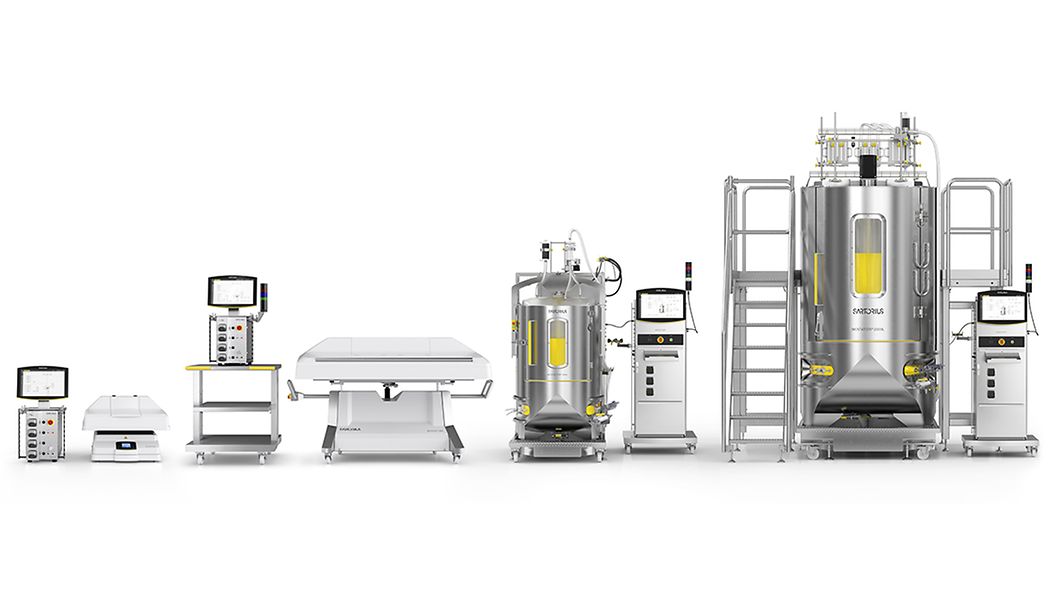
Bioreactors play a crucial role in the field of bioprocessing, enabling the cultivation of cells, microorganisms, and tissues in a controlled environment. They are used in various applications, including cell culture, fermentation, and biopharmaceutical production. In this article, we will explore different types of bioreactors, including the wave bioreactor and five alternative options, highlighting their advantages and disadvantages.
Wave Bioreactors: Wave bioreactors, also known as disposable wave bag bioreactors, utilize a rocking motion to create waves within the culture vessel. They offer gentle mixing and enhanced mass transfer, promoting efficient oxygenation and nutrient distribution. Key advantages of wave bioreactors include scalability, reduced shear stress, and contamination control. However, they may not be suitable for all cell types or bioproduction processes.
Stirred Tank Bioreactors: Stirred tank bioreactors are widely used in bioprocessing. They employ mechanical agitation to provide excellent mixing and mass transfer capabilities. They are suitable for various cell cultures and microbial fermentations and can be scaled from laboratory to industrial scale. However, stirred tank bioreactors may generate higher shear forces that could be detrimental to sensitive cell types. Cleaning and sterilization processes can also be time-consuming.
Air-Lift Bioreactors: Air-lift bioreactors feature a gas-liquid flow system that creates gentle mixing and low shear stress. They offer improved mass transfer and are suitable for aerobic cultures. Air-lift bioreactors can be scaled for large-scale production. However, they have limited mixing efficiency compared to stirred tank bioreactors, and oxygen limitation may occur in the lower regions of the reactor. Control of culture parameters can also be challenging.
Packed-Bed Bioreactors: Packed-bed bioreactors utilize a packed bed of solid support material where cells grow and attach. They offer high cell density and productivity, with efficient mass transfer due to the large surface area provided by the packed bed. Packed-bed bioreactors have a simple design and operation but may have limited applicability to specific cell types or processes. Maintaining uniform flow and preventing channeling can be challenging.
Membrane Bioreactors: Membrane bioreactors employ a membrane system for continuous perfusion culture. They provide enhanced cell retention and increased productivity. Membrane bioreactors allow for improved control of the culture environment and reduce the risk of contamination. However, they have higher capital and operational costs and may face challenges related to membrane fouling and maintenance. Scalability for large-scale production can also be limited.
Microfluidic Bioreactors: Microfluidic bioreactors are miniaturized systems used for high-throughput screening and analysis. They offer precise control over the cell microenvironment and enable real-time monitoring and analysis. However, microfluidic bioreactors have limited capacity for large-scale production. Scaling up and maintaining consistent conditions can be complex, and the design and fabrication processes are demanding.
Conclusion:
Bioreactors are essential tools in bioprocessing, facilitating cell culture, fermentation, and biopharmaceutical production. The choice of bioreactor depends on various factors, such as the specific application, scalability requirements, and desired control parameters. The wave bioreactor offers gentle mixing and scalability, while alternative options like stirred tank bioreactors, air-lift bioreactors, packed-bed bioreactors, membrane bioreactors, and microfluidic bioreactors provide distinct advantages and limitations. Understanding the characteristics of each bioreactor type enables researchers and engineers to select the most suitable system for their bioprocessing needs.
Stirred tank bioreactors
Stirred tank bioreactors, also known as stirred tank reactors or simply stirred bioreactors, are extensively utilized in bioprocessing for a range of applications, including cell culture, fermentation, and biopharmaceutical production. These bioreactors consist of a vessel equipped with an impeller or agitator that induces mechanical agitation within the culture medium. The most common type of bioreactor used by cultured meat companies is the stirred tank bioreactor. Stirred tank bioreactors have been widely adopted in the bioprocessing industry, including the field of cultured meat production. They offer excellent mixing capabilities, scalability, and established technology, making them suitable for large-scale cell culture and production of cultured meat. Let’s delve into the key features and advantages of stirred tank bioreactors:
Excellent Mixing: Stirred tank bioreactors provide highly efficient mixing of the culture medium, ensuring uniform distribution of nutrients, gases, and other essential components. The impeller generates turbulence and fluid motion, which helps prevent concentration gradients and enhances mass transfer, facilitating optimal cell growth and productivity.
Scalability: Stirred tank bioreactors offer remarkable scalability, allowing seamless transition from laboratory-scale to industrial-scale production. They are designed to accommodate varying volumes of culture medium, enabling process optimization during scale-up. This scalability makes them well-suited for both research and large-scale manufacturing applications.
Broad Applicability: Stirred tank bioreactors exhibit versatility and compatibility with a wide range of cell cultures and microbial fermentations. They can be employed for the production of diverse products, including enzymes, proteins, antibiotics, and vaccines. The ability to control culture conditions, such as temperature, pH, and dissolved oxygen, permits customization for specific cell types and process requirements.
Robust Control Systems: Stirred tank bioreactors are equipped with advanced control systems that enable precise regulation of culture parameters. Sensors monitor variables like temperature, pH, dissolved oxygen, and agitation speed, facilitating real-time monitoring and adjustment. This level of control contributes to the optimization of culture conditions, leading to enhanced productivity and reproducibility.
Sampling and Analysis: Stirred tank bioreactors feature sampling ports, allowing convenient and periodic sampling of the culture medium. This facilitates process monitoring, analysis of key parameters, and assessment of cell growth and product formation. Samples can be analyzed for cell viability, metabolite concentrations, and other relevant factors, providing valuable insights into the progress of the bioprocess.
Established Technology: Stirred tank bioreactors have a long history of use in the bioprocessing industry, resulting in a well-established design, operation, and control systems. Researchers and engineers can leverage a wealth of knowledge, guidelines, and operating protocols to optimize their processes effectively, benefitting from the accumulated expertise in working with stirred tank bioreactors.
Compatibility with Downstream Processing: Stirred tank bioreactors are typically compatible with downstream processing steps, such as harvesting and purification. The harvested cells or product-containing supernatant can be further processed using techniques like filtration, chromatography, or centrifugation to isolate and purify the desired product.
While stirred tank bioreactors offer numerous advantages, it’s crucial to consider their limitations:
Shear Stress: The mechanical agitation in stirred tank bioreactors can generate shear stress, which may adversely affect sensitive cell types or delicate tissues. It is essential to carefully select appropriate agitation speeds and impeller designs to minimize shear-induced damage.
Cleaning and Sterilization: Stirred tank bioreactors require thorough cleaning and sterilization between batches to prevent contamination. These processes often involve disassembly, cleaning, and autoclaving, which can increase downtime and operational complexity.
Energy Consumption: Stirred tank bioreactors rely on energy to drive the agitation mechanism. High-power impellers can result in significant energy consumption, impacting the overall operational cost, particularly in large-scale production facilities.
In conclusion, stirred tank bioreactors are widely recognized for their excellent mixing capabilities, scalability, and established technology, making them indispensable tools in various bioprocessing fields. Despite their limitations, their versatility and ability to meet diverse process requirements have solidified their position as a preferred choice for many applications.
Wave (mixing) bioreactor
A wave bioreactor, also known as a disposable wave bag bioreactor or wave-induced bioreactor, is a type of bioreactor used in various biotechnological applications, including cell culture, protein expression, and vaccine production. It is characterized by its unique rocking motion that creates waves within the culture vessel.
Here are some key features and advantages of wave bioreactors:
Wave Motion: Wave bioreactors use a rocking motion to generate waves within the culture vessel. This motion promotes gentle mixing and enhances mass transfer, providing efficient oxygenation and nutrient distribution to the cells or microorganisms. The waves created by the rocking motion create a dynamic environment that mimics natural fluid motion and can improve cell growth and productivity.
Scalability: Wave bioreactors are available in various sizes, ranging from small-scale laboratory versions to large-scale production systems. This scalability allows for easy transition from research and development to commercial-scale production. The disposable nature of wave bioreactors eliminates the need for cleaning and sterilization, streamlining the manufacturing process.
Reduced Shear Stress: The rocking motion of wave bioreactors generates low shear stress, which can be advantageous for sensitive cell types or delicate tissue cultures. The gentle mixing minimizes the potential for cell damage or disruption, resulting in improved cell viability and enhanced tissue formation.
Contamination Control: Wave bioreactors often utilize single-use, disposable bags made of sterile materials, reducing the risk of cross-contamination between batches. This eliminates the need for cleaning and sterilization procedures associated with traditional bioreactors, saving time and reducing the potential for contamination.
Process Monitoring and Control: Wave bioreactors can be equipped with sensors and control systems to monitor and regulate parameters such as pH, temperature, dissolved oxygen levels, and nutrient concentration. This allows for real-time monitoring and control of the culture conditions, optimizing cell growth and productivity.
Wave bioreactors have been employed in a wide range of applications, including the production of vaccines, therapeutic proteins, monoclonal antibodies, and cultured meat. Their gentle mixing, scalability, and contamination control features make them attractive options for bioprocessing applications.
It’s worth noting that while wave bioreactors offer certain advantages, they may not be suitable for all types of cell cultures or bioproduction processes. The choice of bioreactor technology depends on the specific requirements of the application and the characteristics of the cells or microorganisms being cultured.
In the realm of economics, the structure of markets plays a vital role in shaping competition, pricing strategies, and overall market dynamics. Two significant market structures that have garnered considerable attention are oligopoly and oligopsony. These market types have distinct characteristics that affect the behavior of firms and the welfare of producers and consumers. This article aims to provide an in-depth understanding of oligopoly and oligopsony (see Article I – The Farm Problem), their implications for market participants, and the challenges they pose. Part of this article is a summary of other market dynamics in the field of economics too.
Additionally, we will explore the concept of price elasticity and its relevance in these market structures. By examining these topics, we can gain valuable insights into the Farm Problem and the broader landscape of market economics.
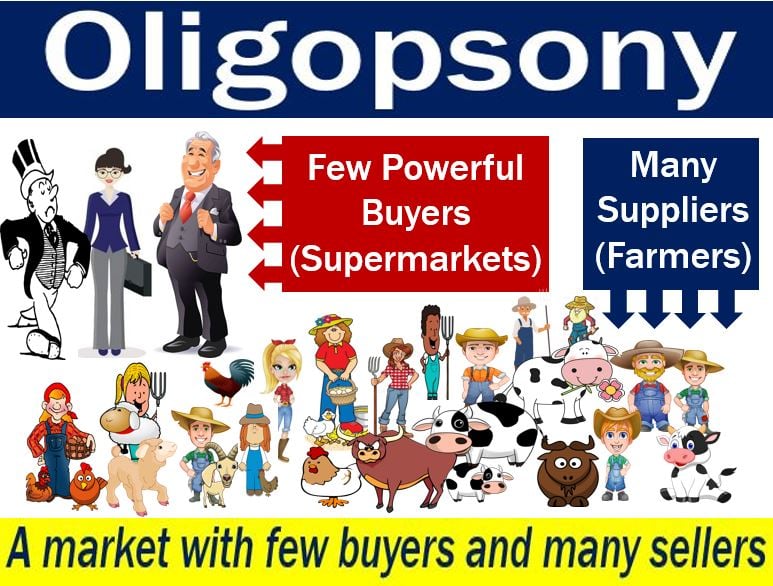
I. Understanding Oligopoly – more clients then suppliers.
Before delving into the intricacies of oligopsony and its impact on the agricultural sector, it is crucial to grasp the fundamentals of oligopoly. Oligopoly refers to a market structure in which a limited number of firms dominate a significant portion of the market. These firms have the ability to influence prices, output levels, and overall market competition. Due to their market power, oligopolistic firms often engage in strategic decision-making, taking into account the actions and reactions of their competitors.
In an oligopoly, firms may employ various strategies to gain a competitive edge, such as price leadership, product differentiation, or collusion. Price leadership occurs when one firm takes the lead in setting prices, and other firms follow suit. This strategy aims to minimize price wars and maintain a stable market environment. Product differentiation, on the other hand, involves creating unique features or branding to distinguish products and attract customers. Collusion, although illegal in many jurisdictions, involves firms conspiring to restrict competition, leading to higher prices and reduced consumer welfare.
II. Exploring Oligopsony – more suppliers then clients.
While oligopoly focuses on market dominance by a limited number of firms, oligopsony shifts the attention to the buyer’s side of the market. Oligopsony occurs when there are few buyers or clients in the market, giving them significant control over prices and terms of trade. This concentration of buyer power can lead to imbalanced relationships between suppliers and buyers, affecting the livelihoods of producers.
Price elasticity plays a crucial role in understanding the dynamics of markets, including both oligopoly and oligopsony. Price elasticity measures the responsiveness of demand or supply to changes in price. It indicates how sensitive consumers or producers are to price fluctuations and provides insights into market behavior.
In oligopoly, firms must consider price elasticity when determining their pricing strategies. If demand for a product is highly elastic, meaning consumers are highly responsive to price changes, firms may be hesitant to raise prices significantly as it could lead to a significant loss of market share. On the other hand, if demand is inelastic, firms have more pricing power and can raise prices without a substantial decline in demand.
In the context of oligopsony, price elasticity affects producers’ ability to negotiate fair prices for their products. If supply is highly elastic, meaning producers can easily switch to alternative buyers or products, buyers may face pressure to offer competitive prices to retain suppliers. However, if supply is inelastic, producers have limited alternatives, giving buyers more control over prices.
IV. Implications for the Farm Problem.
The Farm Problem represents a stark illustration of the challenges faced by farmers operating within oligopsonistic market structures. The concentration of buyer power in the agricultural sector puts farmers at a disadvantage, as they often lack the ability to negotiate fair prices for their products. This imbalance in power dynamics can lead to economic instability, reduced profitability, and limited opportunities for growth.
To address the Farm Problem and promote a more equitable agricultural sector, policy solutions must be implemented. These may include fostering competition among buyers, promoting cooperative farming models, providing financial support to farmers, and implementing fair trade practices. By enhancing market transparency, encouraging collaboration among farmers, and implementing supportive policies, governments can play a pivotal role in improving the economic conditions for farmers and ensuring a sustainable agricultural sector.
V. Other Market Dynamics in the Field of Economics
Besides monopoly, oligopsony, and oligopoly, there are other market dynamics that exist in the field of economics. These dynamics represent different degrees of competition and market structure. Some of the other market dynamics include:
Perfect Competition: Perfect competition is a market structure characterized by a large number of buyers and sellers, homogeneous products, perfect information, free entry and exit, and no individual firm having the power to influence prices. In perfect competition, firms are price takers and face a horizontal demand curve.
Monopolistic Competition: Monopolistic competition is a market structure characterized by a large number of firms selling differentiated products. Each firm has a certain degree of market power, but there is still a relatively high level of competition. Firms engage in product differentiation to attract customers, and they have some control over prices.
Monopsony: Monopsony occurs when there is only one buyer or client in a market. This gives the buyer significant control over prices and terms of trade. Monopsony is the buyer-side equivalent of a monopoly and can lead to imbalanced power dynamics between suppliers and buyers.
Bilateral Monopoly: Bilateral monopoly refers to a market structure in which there is a single buyer and a single seller. Both parties have significant bargaining power and can influence prices and terms of trade through negotiation.
Duopoly: Duopoly occurs when there are only two firms operating in a market. These firms may compete or collude with each other, depending on their strategic decisions. Duopolistic markets can exhibit a wide range of behaviors, from intense competition to cooperation.
Monopolistic Oligopoly: Monopolistic oligopoly is a market structure characterized by a small number of firms, each with some degree of market power. These firms may sell differentiated products and engage in strategic behavior, such as advertising or product differentiation, to gain a competitive advantage.
It is important to note that these market dynamics exist on a spectrum, with perfect competition representing the most competitive end and monopoly representing the least competitive end. Each market structure has its own implications for pricing, competition, and overall market outcomes.
VI. Conclusion and Summary.
In conclusion, understanding oligopoly and oligopsony is crucial to comprehend the challenges faced by market participants, particularly in the agricultural sector. Oligopoly involves a few dominant firms exerting influence over pricing and competition, while oligopsony focuses on the concentration of buyer power, often leading to imbalanced relationships between suppliers and buyers. Price elasticity influences the pricing strategies of firms and the ability of producers to negotiate fair prices.
The Farm Problem highlights the adverse effects of imbalanced market power in the agricultural sector, necessitating policy solutions to address these challenges. By fostering competition, promoting cooperation, and implementing supportive policies, governments can empower farmers and create a more equitable and sustainable agricultural system.
Some References:
Bain, J. S. (1956). Barriers to New Competition. Cambridge: Harvard University Press.
Carlton, D. W., & Perloff, J. M. (2005). Modern Industrial Organization. Boston: Pearson Education.
Gilbert, R. J., & Bailey, E. E. (2002). Oligopoly and Resale Price Maintenance: Clarifying the Legal Framework. Antitrust Law Journal, 70(2), 403-436.
Grant, R. M. (2010). Contemporary Strategy Analysis. Hoboken: John Wiley & Sons.
Hay, D. A., & Morris, D. (2018). Industrial Economics: Markets and Strategies. Hoboken: John Wiley & Sons.
Motta, M. (2004). Competition Policy: Theory and Practice. Cambridge: Cambridge University Press.
Tirole, J. (1988). The Theory of Industrial Organization. Cambridge: MIT Press.
Introduction: Understanding the Difference between Short and Long Carbon Cycles
Carbon dioxide (CO2) emissions are a significant driver of global heating, and the burning of fossil fuels extracted from the Earth’s layers is a primary contributor to these emissions. However, while much attention has been focused on reducing emissions, policymakers have often overlooked the crucial distinction between short and long carbon cycles.
The short carbon cycle involves emissions from sources such as agriculture and land-use changes, which release CO2 that is quickly reabsorbed by vegetation and soils. These emissions, while important to address, have a relatively short lifespan and do not significantly contribute to long-term global heating. In contrast, the long carbon cycle refers to the release of CO2 from the combustion of fossil fuels, which has a profound and lasting impact on the Earth’s climate system.
Recognizing the critical role of the long carbon cycle, the concept of a Carbon Takeback Obligation (CTO) has emerged as a policy and economic model aimed at holding oil and gas companies accountable for storing carbon back into the soil, effectively mitigating the negative effects of fossil fuel use.
The Idea of Carbon Takeback Obligation (CTO)
Carbon Takeback Obligation (CTO) is a forward-thinking policy approach that shifts the burden of carbon storage from governments and society at large to the fossil fuel industry. It establishes an obligation for oil and gas companies to take responsibility for capturing and storing carbon emissions resulting from their operations.
Under a CTO framework, these companies would be required to implement carbon capture and storage (CCS) technologies or alternative methods to ensure that an equivalent amount of carbon released through their activities is removed from the atmosphere and safely sequestered underground. By internalizing the costs associated with carbon storage, oil and gas companies would be incentivized to invest in sustainable and environmentally friendly practices, while also supporting the transition to a low-carbon economy.
Pros and Cons of Carbon Takeback Obligation (CTO)
Pros:
Climate Change Mitigation: CTO has the potential to significantly reduce CO2 emissions by tackling the primary source of global heating, namely the long carbon cycle associated with fossil fuel extraction and combustion.
Industry Accountability: By placing the onus on oil and gas companies to store carbon, CTO holds them accountable for their contributions to climate change, fostering a sense of responsibility and encouraging the adoption of cleaner technologies.
Technological Advancements: The implementation of CTO would spur innovation and investment in carbon capture and storage technologies, leading to the development of more efficient and cost-effective solutions over time.
Economic Opportunities: CTO could create new economic opportunities in the clean energy sector, supporting job creation and driving sustainable economic growth.
Global Cooperation: CTO could serve as a catalyst for international collaboration on carbon storage, encouraging countries and companies worldwide to adopt similar policies and work collectively towards mitigating climate change.
Cons:
Implementation Challenges: Implementing CTO would require substantial regulatory frameworks and monitoring systems to ensure compliance, posing administrative and logistical challenges.
Economic Impact: Critics argue that the financial burden of implementing carbon capture and storage technologies may be disproportionately borne by oil and gas companies, potentially leading to increased energy costs for consumers.
Incentive Misalignment: Some opponents of CTO argue that it may disincentivize investment in renewable energy sources and other sustainable alternatives, as oil and gas companies could perceive carbon storage as a “greenwashing” strategy to maintain their dominance in the energy market.
Technological Limitations: The scalability and efficiency of carbon capture and storage technologies are still being developed, and their widespread implementation may face technical limitations and associated costs.
Summary and Conclusion
In addressing the urgent need to combat climate change, the Carbon Takeback Obligation (CTO) emerges as a promising policy and economic model. By focusing on the long carbon cycle associated with fossil fuel use, CTO compels oil and gas companies to take responsibility for storing carbon emissions back into the soil. This approach not only mitigates the negative effects of fossil fuel extraction but also incentivizes industry accountability, technological advancements, and global cooperation.
While CTO offers numerous advantages, it is essential to consider the potential challenges and drawbacks associated with its implementation. These include administrative complexities, economic impacts, incentive misalignment, and technological limitations. However, by addressing these concerns through careful policy design, robust regulatory frameworks, and ongoing innovation, CTO can play a pivotal role in transitioning towards a sustainable and low-carbon future.
In conclusion, the implementation of a Carbon Takeback Obligation (CTO) can drive meaningful change by shifting the responsibility for carbon storage onto oil and gas companies. By holding these industries accountable, we can effectively tackle the primary driver of global heating and lay the foundation for a more sustainable and climate-resilient world.
References
Smith, P., Davis, S. J., Creutzig, F., Fuss, S., Minx, J., Gabrielle, B., et al. (2016). Biophysical and economic limits to negative CO2 emissions. Nature Climate Change, 6(1), 42-50.
Lackner, K. S. (2003). A guide to CO2 sequestration. Science, 300(5626), 1677-1678.
Friedmann, S. J., Herzog, H. J., & Parsons, J. E. (2003). A portfolio of carbon management options. MIT Energy Laboratory Report, MIT-EL 03-003.
van Vuuren, D. P., Deetman, S., van Vliet, J., van den Berg, M., van Ruijven, B. J., Koelbl, B., et al. (2013). The role of negative CO2 emissions for reaching 2 °C—insights from integrated assessment modelling. Climatic Change, 118(1), 15-27.
Bauer, N., Mouratiadou, I., Luderer, G., Baumstark, L., Brecha, R. J., Edenhofer, O., et al. (2013). Global fossil energy markets and climate change mitigation—an analysis with REMIND. Climatic Change, 123(3-4), 651-664.
Fuss, S., Canadell, J. G., Peters, G. P., Tavoni, M., Andrew, R. M., Ciais, P., et al. (2014). Betting on negative emissions. Nature Climate Change, 4(10), 850-853.
Zakkour, P. D., & Zou, S. (2015). Carbon capture and storage: An overview with economical aspects. Energy Procedia, 75, 1616-1623.
Bui, M., Adjiman, C. S., Bardow, A., Anthony, E. J., Boston, A., Brown, S., et al. (2018). Carbon capture and storage (CCS): the way forward. Energy & Environmental Science, 11(5), 1062-1176.
Mac Dowell, N., Fennell, P. S., Shah, N., & Maitland, G. C. (2017). The role of CO2 capture and utilization in mitigating climate change. Nature Climate Change, 7(11), 776-785.
Intergovernmental Panel on Climate Change. (2018). Global warming of 1.5°C: Summary for policymakers. Retrieved from https://www.ipcc.ch/sr15/
Sanchez, D. L., Nelson, J. H., Johnston, J., Mileva, A., & Kammen, D. M. (2015). Biomass enables the transition to a carbon-negative power system across western North America. Nature Climate Change, 5(3), 230-234.
Tavoni, M., Bosetti, V., & Sgobbi, A. (2012). The dynamics of carbon and energy intensity in a model of endogenous technical change. Energy Economics, 34(2), 1234-1248.
Reiner, D. M., & Ziock, H. J. (2005). Technical and economic aspects of CO2 capture and storage: A prelude to evaluating its feasibility. Mitigation and Adaptation Strategies for Global Change, 10(4), 367-392.
Metz, B., Davidson, O., de Coninck, H. C., Loos, M., & Meyer, L. A. (2005). Carbon dioxide capture and storage. Cambridge University Press.
Over 15 years ago, our team at TOP b.v. (Wageningen) embarked on a journey to develop innovative meat substitutes and plant-based products. Our focus was specifically directed towards creating textures using extruders and other technologies. We firmly believed that the key to successful adoption of plant-based alternatives lay in replicating the texture and flavor profiles of meat. Through years of dedicated work and scientific research, we established three remarkable companies that have made significant contributions to the field. In this article, I want to highlight these three companies and shed light on their strategies and technological innovations.
In 2007, TOP initiated research on using extruders to structure plant-based proteins, leading to the development of a patented production process that revolutionized the plant-based meat industry. Building upon this success, Ojah was founded in 2009 as the first company to commercialize the technology known as High Moisture Extrusion (HME).
Under the continued leadership of Frank Giezen, Ojah has become a global powerhouse in the plant-based meat sector. Based in Ochten, the Netherlands, the company has gained international recognition for its flagship product, the “Kipstukjes.” These vegetarian chicken chunks have garnered a loyal following due to their remarkably meat-like texture and exceptional flavor profile.
Ojah’s commitment to innovation and quality has propelled the company to the forefront of the plant-based industry. In recognition of its achievements, Ojah was acquired by Kerry Ingredients, a global leader in taste and nutrition solutions. This strategic partnership has provided Ojah with additional resources and expertise to further expand its product offerings and market reach.
While HME technology has been instrumental in creating meat-like textures, the market for plant-based meat substitutes extends beyond specific products like chicken chunks. At TOP, we recognized the importance of developing juicy alternatives to traditional meat products such as ground meat, hamburgers, and sausages. This realization led to extensive research aimed at replicating vegan fat and creating plant-based alternatives that offer both excellent texture and juiciness.
The fruits of this research were incorporated into the establishment of Bflike, a joint venture between BOX and the renowned American ingredient company Cargill. Bflike combines the expertise of both partners to produce a range of juicy meat substitutes that meet consumers’ expectations for taste, texture, and overall sensory experience. Leveraging the patented results from TOP, Bflike has successfully developed groundbreaking products that have captured the attention of consumers and the food industry alike.
The collaboration with Cargill has proven to be a strategic advantage, allowing Bflike to tap into Cargill’s extensive global network, distribution channels, and market insights. With a strong focus on product innovation and culinary expertise, Bflike continues to push the boundaries of what is possible in the plant-based meat market, offering consumers a diverse selection of high-quality, juicy meat substitutes.
While HME has been a game-changer in creating plant-based textures, its scalability has been a challenge. HME systems typically operate at a relatively low throughput, limiting their potential for large-scale production. To address this limitation, TOP partnered with Sobatech to develop an innovative technology called Continuous High Shear (CHS).
CHS represents the next generation of extrusion processes, providing a significant leap forward in terms of scalability and texture development. Unlike traditional HME systems, CHS can achieve production rates of up to 2000 kg per hour, making it suitable for large-scale manufacturing. This breakthrough technology not only enables the production of high-quality textured proteins but also allows for precise control over fiber-level textures.
Dutch Structuring Technologies (DST), a company born out of the collaboration between TOP and Sobatech, specializes in harnessing the potential of CHS. By leveraging DST’s expertise, food producers can tailor the length and strength of the fibers in their plant-based products to closely match the texture and mouthfeel of the animal meat they seek to replicate.
Summary
In conclusion, these three pioneering companies—Ojah, Bflike, and Dutch Structuring Technologies—have played instrumental roles in revolutionizing the meat substitute industry. Through their dedication to innovation, commitment to quality, and groundbreaking technologies, they continue to push the boundaries of what is possible in the plant-based sector. As consumer demand for sustainable and ethical food options grows, these companies are leading the charge in providing plant-based alternatives that rival the taste and texture of traditional meat products.
Over 15 years ago, we embarked on a journey to develop innovative meat substitutes and plant-based products. Our focus was specifically directed towards creating textures using extruders and other technologies. We firmly believed that the key to successful adoption of plant-based alternatives lay in replicating the texture and flavor profiles of meat.
Through years of dedicated work and scientific research, we established three remarkable companies that have made significant contributions to the field. In recent years, however, we have consciously chosen to be cautious about investing in cultured meat, and in this article we want to take a closer look at the reasons behind this strategic choice.
My bold statement in the past five years has been that:
“at best, cultured meat companies will become good ingredient suppliers, producing flavorful fat cells or meat cells. Consequently, these companies may become ingredient suppliers to supply manufacturers producing plant-based products with precision fermented ingredients.”
In the future, cultured meat products will essentially be hybrid products combining plant-based meat substitutes with 10-30% animal cells produced through precision fermentation.
The four most important arguments supporting my strong statement have always been:
In a cultured meat reactor, you create individual cells without structure. Therefore, carriers are required. These technologies have already been invented in the plant-based world.
The costs associated with these cells are enormous, particularly higher than those of, for example, algae. I don’t believe these proteins (in their dry form) will become cheaper than, say, €20 per kg, whereas a reasonable target should be below €7-10 per kg.
Over the coming years, consumers will become increasingly accustomed to the taste of plant-based alternatives. I anticipate that in the long run, the latent demand for cultured meat will decrease.
The life cycle assessments (LCAs) of cultured meat (which doesn’t even exist yet) will be less favorable than the promises often presented in popular media or the startup world.
Be careful thus with the cultured meat promise:
Argument 1: The Importance of Structure in Plant-Based Products:
The success of plant-based meat substitutes heavily relies on the ability to recreate the desirable textures found in traditional animal-based products. We recognized early on that consumers not only seek the flavors associated with meat but also crave the familiar mouthfeel and texture. By leveraging extruder technology, we have made significant strides in replicating these textures, providing consumers with a compelling plant-based alternative. This focus on structure sets us apart from the cultured meat industry, as we firmly believe that textures play a pivotal role in consumer acceptance.
Argument 2: Strategic Decision: The Limitations of Cultured Meat:
In the past five years, we deliberately chose not to pursue cultured meat as a core area of research and development at TOP. This decision stems from several key considerations that highlight the limitations and challenges associated with cultured meat production.
Firstly, cultured meat reactors produce individual cells without inherent structure. To create structurally coherent products, additional carriers or scaffolding techniques are required. Interestingly, these technologies have already been developed within the plant-based sector, providing a viable solution to the structural challenges faced by cultured meat production.
Secondly, the cost of producing cultured meat cells remains a significant obstacle. Comparatively, the production costs of proteins derived from cultured cells, such as fat cells or meat cells, are higher than those of alternative sources like algae. Achieving cost competitiveness is crucial for the widespread adoption of plant-based alternatives, and the current cost projections for cultured meat proteins are not aligned with this goal.
Furthermore, as the plant-based industry continues to advance, consumers are becoming more accustomed to the taste and quality of plant-based products. Over time, this increasing familiarity and preference for plant-based alternatives could reduce the latent demand for cultured meat.
Argument 3: Future Outlook: Hybrid Products and Precision Fermentation:
Looking ahead, we envision a future where cultured meat products will emerge in hybrid solutions too, combining plant-based meat substitutes with a small percentage (around 10-30%) of animal cells derived through precision fermentation. This approach holds potential for achieving a balance between flavor, texture, and sustainability. By harnessing the power of precision fermentation, we can produce animal cells in a controlled environment, ensuring efficient resource utilization and reducing the environmental footprint.
Summary and Conclusion:
In conclusion, our extensive experience and research in the plant-based industry have led us to make a deliberate choice to focus on creating plant-based meat substitutes rather than pursuing cultured meat. The ability to replicate textures and flavors has been a driving force in the widespread acceptance of plant-based alternatives. Moreover, the limitations and challenges associated with cultured meat, including the need for structural development, high production costs, and changing consumer preferences, have influenced our strategic decision.
We anticipate that the future of cultured meat lies in the realm of hybrid products, combining plant-based ingredients with animal cells produced through precision fermentation. This approach holds promise for delivering products that align with consumer demands for taste, texture, and sustainability.
By leveraging our expertise in plant-based product development and the development of new structuring technologies that can be applied at industrial throughputs, we aim to continue contributing to the advancement of sustainable and delicious alternatives to traditional meat consumption.





 Food4Innovations (EN) - Wouter de Heij M.Sc.