Why Soy Sauce Lasts So Long: The Science Behind Its Shelf Stability Explained by Water Activity.

A reprint from www.freshfoodnovelties.com

Soy sauce is more than just a salty condiment; it’s a culinary icon with a rich history and a surprisingly scientific secret: exceptional shelf life. Found in nearly every household and commercial kitchen, soy sauce is rarely kept in the refrigerator — and for good reason. Unlike mayonnaise, dairy-based sauces, or fresh pestos, soy sauce can sit in your pantry for months, even years, with little risk of spoilage. But why is that? The answer lies in its unique combination of water activity, salt concentration, acidity, and fermentation-derived stability.

Understanding Water Activity

At the heart of soy sauce’s resilience is a concept known as water activity (abbreviated as aw). While many people associate water content with spoilage, it’s actually the availability of water — not just the amount — that determines how easily microorganisms can grow. Water activity is a scale from 0 (completely dry) to 1 (pure water), measuring how much of the water in a food product is “free” or biologically available.

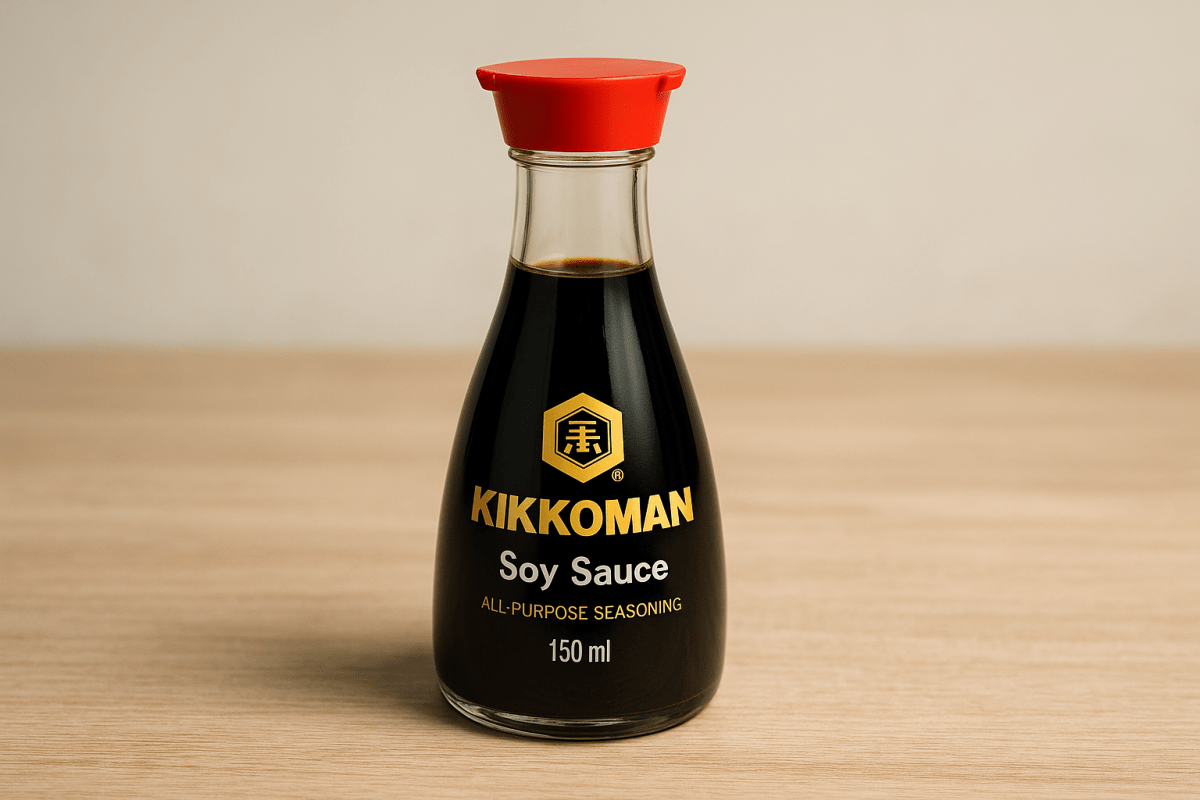
Fresh meat, for example, has a water activity close to 0.99, making it an ideal breeding ground for bacteria. Mayonnaise typically sits around 0.93–0.95, which is low enough to slow down some microbial growth but not enough to prevent spoilage entirely without refrigeration. Soy sauce, in contrast, falls between 0.75 and 0.85, depending on its formulation, with classic Japanese-style brewed soy sauces like Kikkoman hovering around 0.80.

That’s a critical threshold. Most bacteria cannot grow below 0.90. Fungi, such as yeasts and molds, are somewhat more resilient, but many also struggle to survive below 0.80. This makes soy sauce one of the few liquid condiments that naturally resists microbial growth — not because it’s sterile, but because the conditions are simply too harsh for most organisms to thrive.

Salt as a Microbial Inhibitor

The second key factor is salt. Soy sauce typically contains around 16% salt, which plays multiple roles: it enhances flavor, helps preserve the product, and binds water molecules, reducing water availability even further. This salt concentration is high enough to be inhibitory to nearly all spoilage bacteria and yeasts. In effect, salt “ties up” water, making it unavailable for microbial metabolism.

This principle is well known in food preservation — it’s the same reason salt-curing and brining have been used for centuries. What’s unique in soy sauce is that this saltiness is integrated into a fermented product, adding depth of flavor while simultaneously acting as a preservative.

The Role of Fermentation and Acidity

Traditional soy sauce is made through a long and complex fermentation process involving soybeans, wheat, salt, water, and specific microbial cultures such as Aspergillus oryzae, lactic acid bacteria, and yeasts. Over the course of several months to years, this microbial consortium breaks down proteins and starches, generating amino acids (including glutamate, the source of umami), organic acids, alcohols, and Maillard reaction products.

This fermentation not only enhances flavor and aroma, but also contributes to food safety. The resulting low pH (usually around 4.8–5.0) creates an acidic environment that further inhibits unwanted microbial growth. The combination of low pH, high salt, and low water activity forms what food technologists call multiple hurdles — overlapping barriers that make microbial contamination and spoilage very unlikely.

Comparing to Other Foods

To appreciate how stable soy sauce truly is, it helps to compare it to other common foods:

ProductWater Activity (aw)
Raw beef0.99
Mayonnaise0.93–0.95
Soy Sauce0.75–0.85
Honey0.60
Dried fish0.60–0.70

While honey is even more shelf-stable (thanks to its low water activity and sugar content), it is also a solid or semi-solid product. Soy sauce is unique in that it is a fully liquid product with natural shelf stability — without the need for refrigeration, pasteurization, or chemical preservatives.

Storage After Opening: To Chill or Not to Chill?

Despite this robustness, many soy sauce manufacturers still recommend refrigeration after opening. This advice is not because of safety concerns, but primarily to preserve flavor and aroma. Light, heat, and oxygen can degrade some of the aromatic compounds in soy sauce over time. Refrigeration slows down these oxidative changes and maintains the intended flavor profile, especially for higher-end or artisanal soy sauces.

However, for most standard commercial soy sauces — particularly those in sealed bottles with tight caps — keeping them in a cool, dark pantry is more than sufficient. Even opened, a bottle can last six months to a year without significant quality loss.

A Natural Model of Stability

Soy sauce exemplifies how traditional fermentation techniques, combined with a clever use of natural preservation factors, can create a product that is not only delicious and complex but also safe and long-lasting. In an age where shelf life often depends on artificial preservatives and refrigeration, soy sauce stands out as a model of natural, microbial resilience.

For product developers and food technologists, soy sauce offers inspiration: through understanding and balancing water activity, salt, acidity, and microbial action, it’s possible to create flavorful products that are also robustly safe. For home cooks, it’s a comforting thought — that bottle in your cupboard is good for much longer than you might expect.


Kevin Hall: A Pioneer in Nutrition Science and the Price of Integrity

Kevin Hall, a biophysicist at the National Institutes of Health (NIH), is globally recognized as a pioneer in nutrition research. For two decades, he designed experiments that revealed the direct physiological effects of food on the body. His work debunked myths and provided hard evidence, but on April 16, 2025, he announced his departure from science on X. The reason: censorship by the Trump administration, forcing him to choose between his principles and his career. This article highlights Hall’s scientific contributions and the circumstances surrounding his exit.

A Revolutionary Approach to Nutrition Research

Hall’s work stood out for its methodological rigor. Instead of relying on questionnaires or self-reports—often inaccurate—he conducted controlled laboratory experiments. Using scales, urine meters, and precisely measured portions, he mapped the effects of food. His studies were a beacon of objectivity in a field rife with opinions.

One of his early breakthroughs came in 2011, when he demonstrated that the rule of thumb “cutting 500 calories a day leads to a pound of weight loss per week” was flawed. Human metabolism, he showed, is more complex than a simple calculation. This finding forced nutrition scientists and dietitians to rethink their assumptions.

His most famous work appeared in 2019: a controlled comparison of two diets with identical nutritional content but different compositions. One diet consisted of ultra-processed foods (like white bread and microwave meals), the other of minimally processed foods (like whole-grain pasta, fresh chicken, and vegetables). The results were striking: participants on the ultra-processed diet unintentionally ate 500 calories more per day and gained weight, while the other group lost weight. This was the first time a direct causal link between ultra-processed food and overeating was demonstrated in a controlled experiment. Published in Cell Metabolism, the study became a landmark in the obesity debate.

Later research nuanced Hall’s findings. He published a study suggesting that ultra-processed food is not addictive in the same way as hard drugs, a conclusion that challenged prevailing narratives. His work underscored that truth is often more complex than populist claims, and this nuance made him a respected scientist.

Censorship and a Forced Departure

Hall’s departure from science was not voluntary. He pointed to increasing censorship by the Trump administration, which actively restricted his work. A pivotal moment came with a review study on ultra-processed food that addressed “health equity”—the unequal access to healthy food in the U.S. Officials demanded the removal of this section, deeming it politically sensitive. Hall refused to participate in what he saw as a distortion of science and removed his name as co-author—a rare and principled act.

Another incident involved the study on the non-addictive nature of ultra-processed food. Hall was barred from speaking to journalists orally about it. Written responses were rewritten by the NIH press office, with nuances downplayed and limitations exaggerated. “A red flag,” Hall called it. He feared that not only his communication but also the design and execution of future studies would come under pressure. Ultimately, he turned in his keys and access pass, refusing to engage in what he described as “a masquerade of science.” His family, he wrote on X, came first.

The timing of Hall’s departure is striking. U.S. Health Secretary Robert F. Kennedy Jr., an outspoken critic of ultra-processed food, seemed a potential ally for Hall’s research. Instead, Hall faced more restrictions, possibly because his nuanced findings did not align with Kennedy’s political narrative.

A Loss for Science

Colleagues reacted with dismay. Dariush Mozaffarian, director of the Food Is Medicine Institute at Tufts University, called Hall’s departure “a sad day” for nutrition research. Stanford professor Christopher Gardner, co-author of the contested review study, described the interference as “maddening.” Both praised Hall’s ability to approach complex issues with precision.

Hall’s work showed that ultra-processed food contributes to overeating but also that not all nutrition problems can be blamed solely on “bad food.” Access to healthy food, socioeconomic factors, and education play significant roles. Ironically, this holistic perspective—encompassing “health equity”—was deemed problematic by the administration.

A Warning for the Future

Hall’s departure is more than the loss of a brilliant researcher; it signals troubling developments in science. When political agendas dictate acceptable conclusions, the integrity of research erodes. Hall’s legacy lies not only in his findings but also in his courage to prioritize truth over conformity. The question remains: who will dare to continue his work in a climate where science is increasingly marginalized by inequality?

Sources: Hall’s announcement on X (

Exploring Modern and Traditional Technologies in Pasteurization and Sterilization for Food Processing

In the field of food technology, ensuring safety and extending shelf life are paramount. For these purposes, two critical processes—pasteurization and sterilization—are widely used. Both processes aim to reduce or eliminate harmful microorganisms, but they differ in intensity and effect. Pasteurization typically reduces pathogens and spoilage organisms while preserving food quality, whereas sterilization seeks to completely eliminate all microbial life, including resistant spores, ensuring a product is shelf-stable.

What’s fascinating is that both of these processes can be carried out using a wide variety of technologies, from traditional heat-based systems to cutting-edge, non-thermal approaches. This article explores the different types of pasteurization and sterilization technologies available today, including their evolution and novel innovations that are shaping the future of food processing.

Traditional Technologies for Pasteurization and Sterilization

Historically, heat-based methods have been the most common approach for both pasteurization and sterilization. These methods rely on the simple principle of using elevated temperatures to kill microorganisms, with the two processes differing primarily in temperature and time.

  1. Pasteurization Technologies:
    • Pasteur’s Method: Developed by Louis Pasteur in the 19th century, pasteurization is the controlled heating of liquids, especially dairy, to eliminate harmful bacteria. The most common example is milk pasteurization, where the liquid is heated to about 72°C for 15 seconds (high-temperature short-time or HTST) and then rapidly cooled. This method is effective at killing most pathogens while retaining the sensory and nutritional qualities of the product.
    • Heat Exchangers: Another commonly used technology for pasteurization in the food industry is the plate or tubular heat exchanger. These systems are particularly efficient for processing large volumes of liquids, such as juices, soups, or sauces. The product is heated as it flows between heated plates or through tubes, ensuring even and rapid heat transfer.
    • Autoclaves (for pasteurization purposes): While autoclaves are more commonly associated with sterilization, they can also be used in specific pasteurization applications where moderate temperatures are needed for extended periods to kill bacteria in solid or semi-solid foods.
  2. Sterilization Technologies:
    • Autoclaves (for sterilization): Autoclaves, also known as steam sterilizers, have long been used to sterilize food products by subjecting them to steam at high pressures and temperatures, usually between 121°C and 135°C. This method is highly effective but can alter the flavor and texture of food products, making it more suitable for canned goods.
    • Heat Exchangers: Similar to their use in pasteurization, heat exchangers can also be used for sterilization by raising the temperatures even higher. The goal in sterilization is to ensure complete microbial inactivation, which is critical for shelf-stable products like canned vegetables or infant formula.

Modern Heating Technologies: Novel Thermal Processing

While traditional heat-based methods have been successful, they also come with limitations—chiefly, the degradation of the nutritional and sensory qualities of food due to high temperatures. As a result, food scientists have been working on more innovative approaches to heating, which are often referred to as “novel thermal technologies.”

  1. Ohmic Heating: This is a more modern technique where electric currents are passed through food, generating heat internally rather than relying on external heat sources. This results in more uniform heating and can reduce the overall time required, minimizing thermal damage to the product. It’s a particularly effective method for pasteurizing liquids and semi-liquid products.
  2. Microwave and Radio Frequency Heating: These technologies use electromagnetic waves to generate heat within food. Microwave heating is commonly used for reheating or cooking at the consumer level, but it is also being explored as a means of industrial-scale pasteurization and sterilization. Radio frequency heating, which uses longer wavelengths than microwaves, is particularly effective for treating foods in bulk and is gaining traction in certain sectors.

Non-Thermal Technologies: The Next Frontier

In recent years, non-thermal technologies have taken a giant leap forward in the food industry. These methods aim to achieve pasteurization or sterilization without applying heat, which helps in retaining the natural characteristics of the food. Non-thermal processes are especially useful for products where preserving nutritional value and sensory attributes is crucial, such as fresh juices, meats, and pharmaceuticals.

  1. High-Pressure Processing (HPP): One of the most revolutionary non-thermal technologies, HPP works by applying extremely high pressures (between 5,000 and 6,000 bar) to food products. The pressure inactivates bacteria, viruses, and other microorganisms without the need for heat. HPP is mainly used for pasteurization, particularly for products like juices, ready-to-eat meals, and guacamole, where maintaining the fresh quality of the food is a priority.
  2. Pulsed Electric Fields (PEF): Another non-thermal technology, PEF uses short bursts of high-voltage electric fields to disrupt the cell membranes of microorganisms. This method is effective for pasteurizing liquids like milk and fruit juices. It is gaining popularity due to its efficiency in treating large volumes quickly while preserving the sensory and nutritional qualities of the product.
  3. Pressure-Assisted Thermal Sterilization (PATS): PATS takes non-thermal technology a step further by combining high pressure with moderate heat (between 5,000 and 10,000 bar). This method is used for sterilization and can effectively destroy both bacteria and spores, making it ideal for shelf-stable products. PATS is still in the research phase but has the potential to revolutionize sterilization in the food and pharmaceutical industries.
  4. Irradiation (Radiation): While it’s not a “new” technology, irradiation is another non-thermal method used for sterilization. This technique exposes food to controlled amounts of ionizing radiation, killing bacteria and parasites. It’s used in spices, dried foods, and certain medical applications. Despite being a proven and effective technology, consumer skepticism has limited its widespread adoption.

Choosing the Right Technology

The choice of pasteurization or sterilization technology depends on several factors, including the type of food, the desired shelf life, and the importance of preserving the product’s nutritional and sensory properties. Traditional heat-based methods are still widely used and highly effective, particularly for products where shelf stability is critical, such as canned goods. However, novel thermal and non-thermal technologies are increasingly becoming the methods of choice for fresh or minimally processed foods.

For instance, if the goal is to pasteurize a product while maintaining its fresh qualities, HPP or PEF may be the best options. On the other hand, for sterilizing a heat-sensitive product without compromising its integrity, PATS or even irradiation could be more suitable.

The Future of Food Processing

As consumer demand for “clean label” products grows—meaning foods with minimal additives and preservatives—non-thermal technologies like HPP, PEF, and PATS will likely play an even larger role in the future of food processing. These methods provide the dual benefit of ensuring safety while maintaining the original qualities of the food.

As researchers and food technologists continue to explore and refine these technologies, we can expect new breakthroughs that will further enhance both the efficiency and sustainability of food preservation. From novel thermal methods to innovative non-thermal approaches, the future of food safety is undoubtedly bright and full of potential.

The Evolution and Potential of High-Pressure Processing (HPP) and Pressure-Assisted Thermal Sterilization (PATS)

High-Pressure Processing (HPP) and Pressure-Assisted Thermal Sterilization (PATS) are at the forefront of innovations in food and pharmaceutical preservation. These cutting-edge technologies have emerged as game changers in ensuring food safety, extending shelf life, and preserving the nutritional and sensory qualities of food. While HPP has already gained significant traction in the food industry, PATS is an exciting advancement that is currently undergoing research and development, with promising applications in both food and pharmaceutical sectors.

The History of High-Pressure Processing (HPP)

High-Pressure Processing (HPP) has a rich history dating back to the late 19th century when the first experiments were conducted to investigate the effects of pressure on microorganisms. The basic principle behind HPP is that extremely high pressures—ranging from 5,000 to 6,000 bar (about 72,500 to 87,000 psi)—can inactivate pathogens and spoilage organisms without the need for high temperatures. This is particularly advantageous because it allows food to retain its original flavor, texture, and nutritional value, which are often degraded by heat-based methods.

In the 1990s, HPP began to make its way into commercial applications, particularly in the food industry. Companies recognized the value of using HPP for preserving juices, meats, and ready-to-eat meals. The process involves subjecting food products to very high pressure by immersing them in water inside a pressure chamber. The even distribution of pressure ensures that all parts of the food experience the same effect, killing harmful bacteria such as ListeriaSalmonella, and E. coli without the use of additives or preservatives.

The Emergence of Pressure-Assisted Thermal Sterilization (PATS)

While HPP is highly effective for pasteurization, it is not sufficient for sterilization. Enter Pressure-Assisted Thermal Sterilization (PATS), a technology that combines high pressure with moderate temperatures to achieve complete sterilization of products. PATS operates at pressure ranges between 5,000 and 10,000 bar, along with temperatures that are higher than those used in HPP but lower than traditional thermal sterilization methods.

PATS is particularly promising for applications where sterility is crucial, such as in ready-to-eat meals and pharmaceuticals, where the goal is to eliminate all forms of microbial life, including spores. The combination of pressure and heat works synergistically to destroy even the most resistant microorganisms. This makes PATS a revolutionary solution for the pharmaceutical industry, where the sterilization of heat-sensitive products like vaccines, biologics, and injectables is a constant challenge.

Applications in the Food Industry

HPP has become widely adopted in the food industry because of its ability to inactivate microorganisms while preserving the natural quality of food. This is crucial in the era of “clean label” products, where consumers demand fewer artificial preservatives. Some of the common applications of HPP include:

  1. Juices and Beverages: HPP-treated juices retain their fresh flavor and vitamin content because no heat is involved in the process. Brands like Suja Juice and Evolution Fresh are well-known examples of companies that use HPP for their cold-pressed juices.
  2. Deli Meats and Seafood: HPP is used to ensure the safety of products such as ready-to-eat meats and seafood. It eliminates harmful pathogens without cooking the meat, preserving the original taste and texture.
  3. Guacamole and Avocado Products: Avocado-based products, which are prone to quick spoilage, have found great success with HPP, allowing them to stay fresh for longer periods without losing color or flavor.

In contrast, PATS is still in its research phase but holds immense potential. The food industry has a strong interest in PATS for sterilizing shelf-stable products without compromising their nutritional value. Canned foods, baby foods, and military rations are areas where PATS could significantly improve quality by eliminating the negative effects of traditional high-heat sterilization.

Pharmaceutical Applications of PATS

While HPP is predominantly used in the food sector, PATS has significant potential in the pharmaceutical industry. The ability of PATS to sterilize without the extreme temperatures typically required for thermal sterilization makes it an attractive option for heat-sensitive pharmaceutical products. Biologics, vaccines, and certain injectable drugs require sterilization to ensure safety and efficacy, but they are often sensitive to high temperatures, which can degrade their active ingredients. PATS provides a middle ground where the combination of moderate heat and very high pressure can achieve sterilization without harming the product.

Furthermore, PATS could be a breakthrough in the area of single-use medical devices, where sterilization is crucial. Currently, most devices are sterilized using methods such as gamma radiation or ethylene oxide gas, which have their own limitations. PATS offers a potentially safer, more environmentally friendly alternative.

The Science Behind HPP and PATS

The effectiveness of both HPP and PATS lies in the physics of pressure. At the molecular level, extreme pressure causes denaturation of proteins in microorganisms, leading to their inactivation. In HPP, pressures between 5,000 and 6,000 bar are enough to break down cell walls and membranes in pathogens like bacteria and viruses.

PATS, on the other hand, leverages both pressure and heat to ensure sterility. The combination of these factors leads to accelerated destruction of microbial spores, which are typically resistant to both heat and pressure when applied independently. The pressures in PATS can go as high as 10,000 bar, creating an environment where even the most resilient spores cannot survive. The heat used in PATS—while moderate compared to traditional sterilization—enhances the effects of pressure, making it a highly efficient process.

The Future of HPP and PATS

As consumer demand for safer, fresher, and more natural products continues to grow, the adoption of HPP will likely expand across different food categories. The technology offers a solution for extending shelf life while maintaining the quality and safety of products without the need for artificial preservatives.

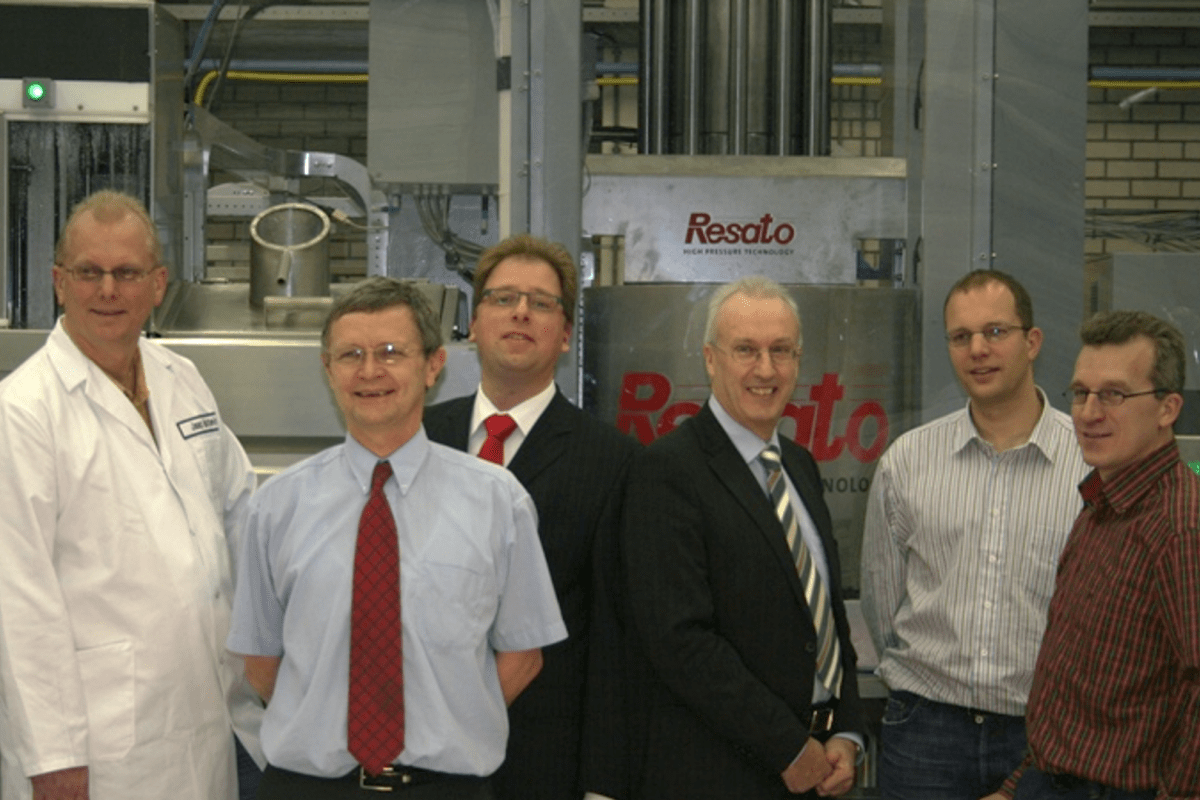
For PATS, the future is even more exciting. With ongoing research and the development of new prototypes, such as the one recently created by Resato in the Netherlands, PATS is expected to play a significant role in both the food and pharmaceutical industries. Its ability to combine pressure and heat for sterilization opens doors to applications that were previously impossible with other methods.

Conclusion

HPP and PATS represent the future of non-thermal and semi-thermal food and pharmaceutical processing. While HPP has already proven its worth in the commercial food industry, PATS is an emerging technology with vast potential for revolutionizing how we approach sterilization. As research continues, the scope of these technologies will likely broaden, offering safer, more efficient, and environmentally friendly solutions to critical challenges in both industries.

The journey from early experiments with high pressure in the 19th century to the advanced, high-pressure machines of today highlights the immense progress we’ve made in harnessing this powerful force of nature. With new developments on the horizon, such as the prototype from Resato, the future looks promising for both HPP and PATS.

Food4Innovations – Dutch blog

I blog a lot, but unfortunately mostly in Dutch. The name of my blog is Food4Innovations. Most of my articles deal with food, food technology, food design and up-comming trends. My true passion however is innovation management. How do we find new ideas, but much more important, how do we implement these novel ideas. For me implementation is much more important than performing research or only ‘brainstorming’ for novel ideas. Doing-in-reality is probably the thoughest you can do. Briliant experence professionals are needed that collaborate in an optimal way. Often a good portion of stubbornness is required to become successful.