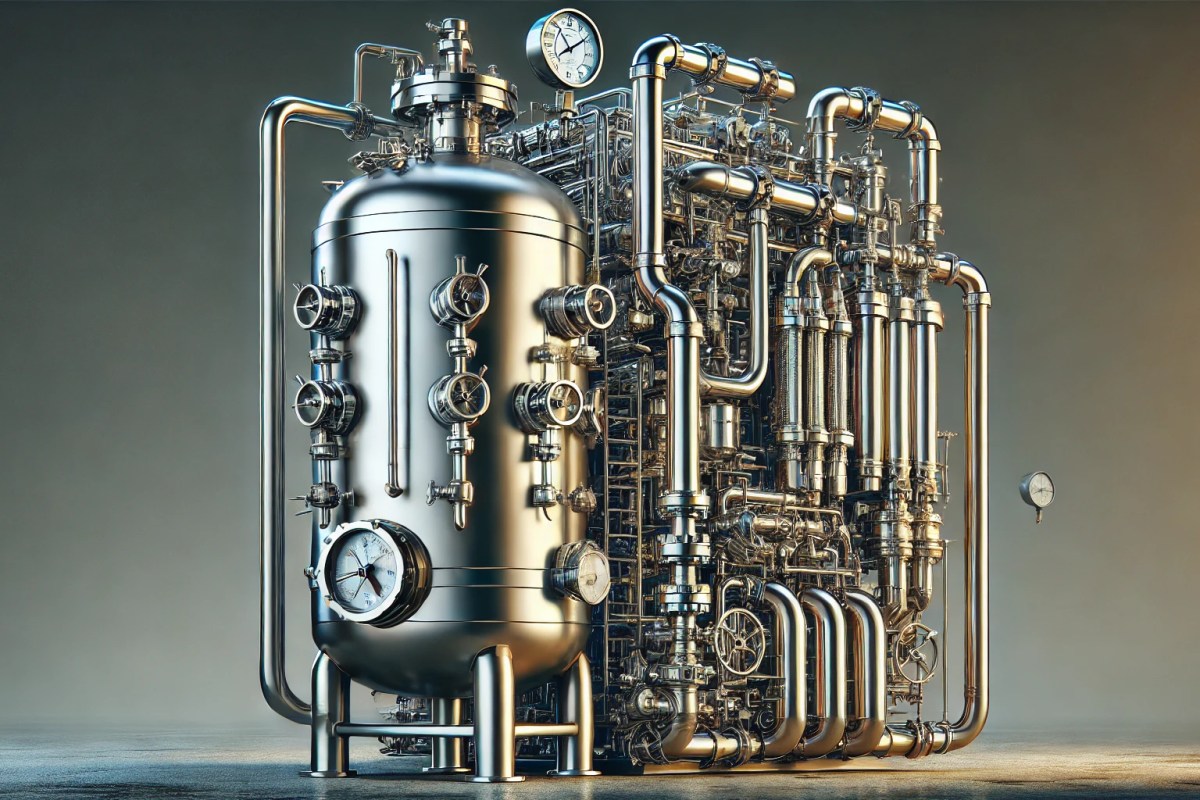
In the field of food technology, ensuring safety and extending shelf life are paramount. For these purposes, two critical processes—pasteurization and sterilization—are widely used. Both processes aim to reduce or eliminate harmful microorganisms, but they differ in intensity and effect. Pasteurization typically reduces pathogens and spoilage organisms while preserving food quality, whereas sterilization seeks to completely eliminate all microbial life, including resistant spores, ensuring a product is shelf-stable.
What’s fascinating is that both of these processes can be carried out using a wide variety of technologies, from traditional heat-based systems to cutting-edge, non-thermal approaches. This article explores the different types of pasteurization and sterilization technologies available today, including their evolution and novel innovations that are shaping the future of food processing.
Traditional Technologies for Pasteurization and Sterilization
Historically, heat-based methods have been the most common approach for both pasteurization and sterilization. These methods rely on the simple principle of using elevated temperatures to kill microorganisms, with the two processes differing primarily in temperature and time.
- Pasteurization Technologies:
- Pasteur’s Method: Developed by Louis Pasteur in the 19th century, pasteurization is the controlled heating of liquids, especially dairy, to eliminate harmful bacteria. The most common example is milk pasteurization, where the liquid is heated to about 72°C for 15 seconds (high-temperature short-time or HTST) and then rapidly cooled. This method is effective at killing most pathogens while retaining the sensory and nutritional qualities of the product.
- Heat Exchangers: Another commonly used technology for pasteurization in the food industry is the plate or tubular heat exchanger. These systems are particularly efficient for processing large volumes of liquids, such as juices, soups, or sauces. The product is heated as it flows between heated plates or through tubes, ensuring even and rapid heat transfer.
- Autoclaves (for pasteurization purposes): While autoclaves are more commonly associated with sterilization, they can also be used in specific pasteurization applications where moderate temperatures are needed for extended periods to kill bacteria in solid or semi-solid foods.
- Sterilization Technologies:
- Autoclaves (for sterilization): Autoclaves, also known as steam sterilizers, have long been used to sterilize food products by subjecting them to steam at high pressures and temperatures, usually between 121°C and 135°C. This method is highly effective but can alter the flavor and texture of food products, making it more suitable for canned goods.
- Heat Exchangers: Similar to their use in pasteurization, heat exchangers can also be used for sterilization by raising the temperatures even higher. The goal in sterilization is to ensure complete microbial inactivation, which is critical for shelf-stable products like canned vegetables or infant formula.
Modern Heating Technologies: Novel Thermal Processing
While traditional heat-based methods have been successful, they also come with limitations—chiefly, the degradation of the nutritional and sensory qualities of food due to high temperatures. As a result, food scientists have been working on more innovative approaches to heating, which are often referred to as “novel thermal technologies.”
- Ohmic Heating: This is a more modern technique where electric currents are passed through food, generating heat internally rather than relying on external heat sources. This results in more uniform heating and can reduce the overall time required, minimizing thermal damage to the product. It’s a particularly effective method for pasteurizing liquids and semi-liquid products.
- Microwave and Radio Frequency Heating: These technologies use electromagnetic waves to generate heat within food. Microwave heating is commonly used for reheating or cooking at the consumer level, but it is also being explored as a means of industrial-scale pasteurization and sterilization. Radio frequency heating, which uses longer wavelengths than microwaves, is particularly effective for treating foods in bulk and is gaining traction in certain sectors.
Non-Thermal Technologies: The Next Frontier
In recent years, non-thermal technologies have taken a giant leap forward in the food industry. These methods aim to achieve pasteurization or sterilization without applying heat, which helps in retaining the natural characteristics of the food. Non-thermal processes are especially useful for products where preserving nutritional value and sensory attributes is crucial, such as fresh juices, meats, and pharmaceuticals.
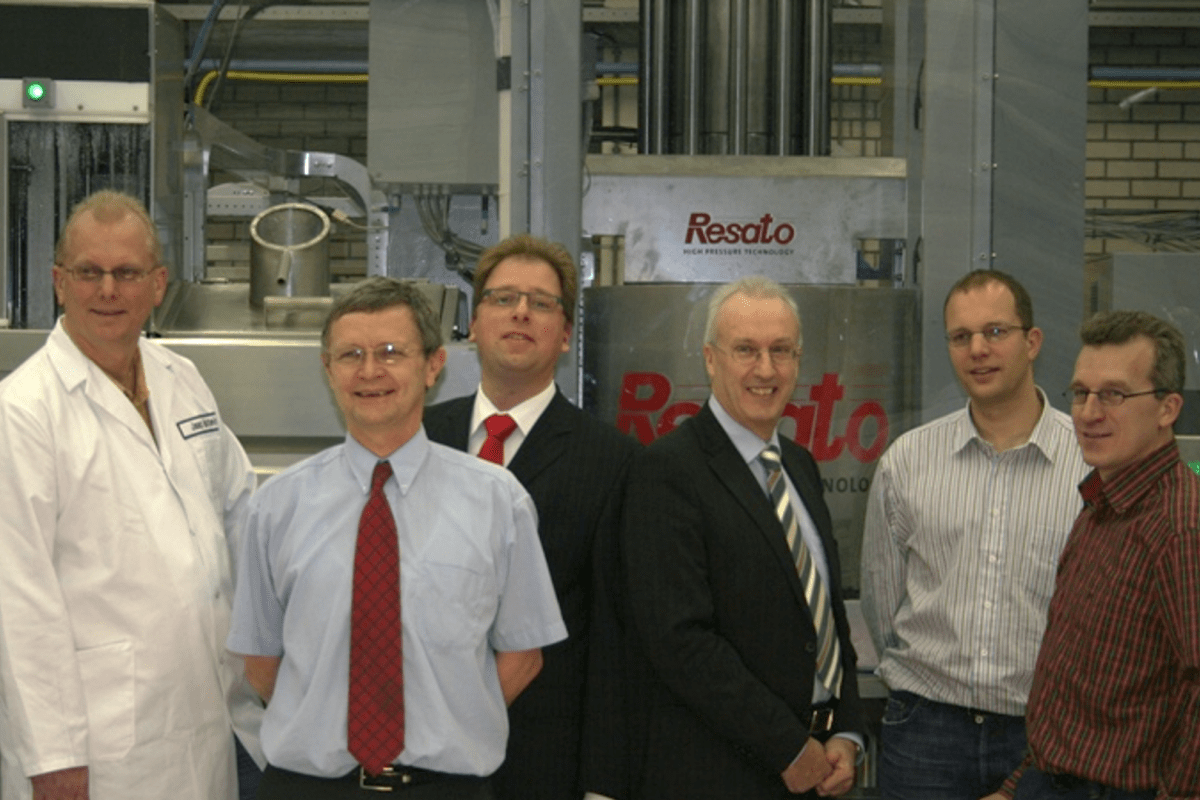
- High-Pressure Processing (HPP): One of the most revolutionary non-thermal technologies, HPP works by applying extremely high pressures (between 5,000 and 6,000 bar) to food products. The pressure inactivates bacteria, viruses, and other microorganisms without the need for heat. HPP is mainly used for pasteurization, particularly for products like juices, ready-to-eat meals, and guacamole, where maintaining the fresh quality of the food is a priority.
- Pulsed Electric Fields (PEF): Another non-thermal technology, PEF uses short bursts of high-voltage electric fields to disrupt the cell membranes of microorganisms. This method is effective for pasteurizing liquids like milk and fruit juices. It is gaining popularity due to its efficiency in treating large volumes quickly while preserving the sensory and nutritional qualities of the product.
- Pressure-Assisted Thermal Sterilization (PATS): PATS takes non-thermal technology a step further by combining high pressure with moderate heat (between 5,000 and 10,000 bar). This method is used for sterilization and can effectively destroy both bacteria and spores, making it ideal for shelf-stable products. PATS is still in the research phase but has the potential to revolutionize sterilization in the food and pharmaceutical industries.
- Irradiation (Radiation): While it’s not a “new” technology, irradiation is another non-thermal method used for sterilization. This technique exposes food to controlled amounts of ionizing radiation, killing bacteria and parasites. It’s used in spices, dried foods, and certain medical applications. Despite being a proven and effective technology, consumer skepticism has limited its widespread adoption.
Choosing the Right Technology
The choice of pasteurization or sterilization technology depends on several factors, including the type of food, the desired shelf life, and the importance of preserving the product’s nutritional and sensory properties. Traditional heat-based methods are still widely used and highly effective, particularly for products where shelf stability is critical, such as canned goods. However, novel thermal and non-thermal technologies are increasingly becoming the methods of choice for fresh or minimally processed foods.
For instance, if the goal is to pasteurize a product while maintaining its fresh qualities, HPP or PEF may be the best options. On the other hand, for sterilizing a heat-sensitive product without compromising its integrity, PATS or even irradiation could be more suitable.
The Future of Food Processing
As consumer demand for “clean label” products grows—meaning foods with minimal additives and preservatives—non-thermal technologies like HPP, PEF, and PATS will likely play an even larger role in the future of food processing. These methods provide the dual benefit of ensuring safety while maintaining the original qualities of the food.
As researchers and food technologists continue to explore and refine these technologies, we can expect new breakthroughs that will further enhance both the efficiency and sustainability of food preservation. From novel thermal methods to innovative non-thermal approaches, the future of food safety is undoubtedly bright and full of potential.
 Food4Innovations (EN) - Wouter de Heij M.Sc.